Your jawbone is living tissue. It responds to pressure, adapts to change, and depends on consistent nutritional support to stay dense and healthy. Most people understand that diet affects their waistline or their energy levels, but far fewer realize that what they eat (or don’t eat) plays a measurable role in whether their jaw maintains the bone structure needed for a confident, functional smile.
What Your Jawbone Needs to Stay Strong
Bone isn’t static. It’s constantly being broken down and rebuilt through a process called bone remodeling, driven by specialized cells called osteoclasts (which resorb old bone) and osteoblasts (which form new bone). For this cycle to run properly, the body needs a steady supply of specific nutrients. When those nutrients run low, bone remodeling tips out of balance, and over time, bone density declines.
The most critical nutrients for jawbone health include calcium, Vitamin D, magnesium, Vitamin K2, and protein. Each one plays a distinct role in either building bone matrix, mineralizing it, or directing calcium to the right tissues. A deficiency in any one of them doesn’t produce dramatic, immediate symptoms. Instead, bone loss happens slowly and silently, often going unnoticed until a tooth is lost or an implant fails.
This nutritional dimension is one reason why holistic dental care looks beyond the mouth when evaluating patients for tooth replacement. At Maegan Elam, DDS & Associates in Bedford, Texas, patients considering All-on-4 dental implants receive a thorough evaluation that takes the full picture of their health into account, not just the current state of their jawbone.
The Role of Calcium and Vitamin D
These two nutrients are so closely linked that addressing one without the other misses the point. Calcium is the primary mineral in bone. Vitamin D is what allows your body to absorb it. An adult who consumes adequate calcium but has low Vitamin D levels cannot properly utilize that calcium – it simply passes through the digestive system without being absorbed effectively.
According to the National Institutes of Health, the recommended daily calcium intake for adults aged 19–50 is 1,000 mg, rising to 1,200 mg for women over 50 and men over 70. Yet surveys consistently show that a large share of American adults fall short of these targets, particularly when it comes to food alone. The most reliable dietary sources are dairy products, fortified plant milks, leafy greens like kale and bok choy, and canned fish with bones.
Vitamin D is harder to obtain through diet. Fatty fish, egg yolks, and fortified foods contribute some, but sun exposure and supplementation are often necessary to reach adequate levels for people who spend most of their time indoors, which describes a significant share of working adults in the DFW area.
Magnesium and Vitamin K2: The Overlooked Partners
Magnesium rarely gets the attention it deserves in conversations about bone health. Yet roughly 60% of the body’s magnesium is stored in bone, where it plays a key structural role in forming bone crystals. Low magnesium is associated with reduced bone mineral density and has been linked to increased fracture risk. Good dietary sources include nuts, seeds, legumes, and whole grains.
Vitamin K2 serves a different but equally important function: it activates proteins that direct calcium into bones and teeth rather than allowing it to deposit in soft tissues like arteries. The primary food source of K2 is fermented foods, along with some aged cheeses and egg yolks. Most Americans consume very little K2, which is part of why calcium supplementation alone doesn’t always translate into improved bone outcomes.
How Diet Intersects With Tooth Loss and Jawbone Resorption
Tooth loss accelerates the very nutritional problem described above, and the two reinforce each other in a difficult cycle. When teeth are missing, the jawbone beneath those sites loses the stimulation it needs to maintain its density. Bone resorption begins within months and progresses steadily over the years.
At the same time, tooth loss often changes what a person can eat. Missing teeth and ill-fitting dentures frequently lead to a softer, more restricted diet – less fresh produce, fewer whole grains, less protein-dense food. This dietary shift means less of the very nutrients the jawbone needs to stabilize. The bone loss accelerates further, which in turn makes tooth replacement more complex.
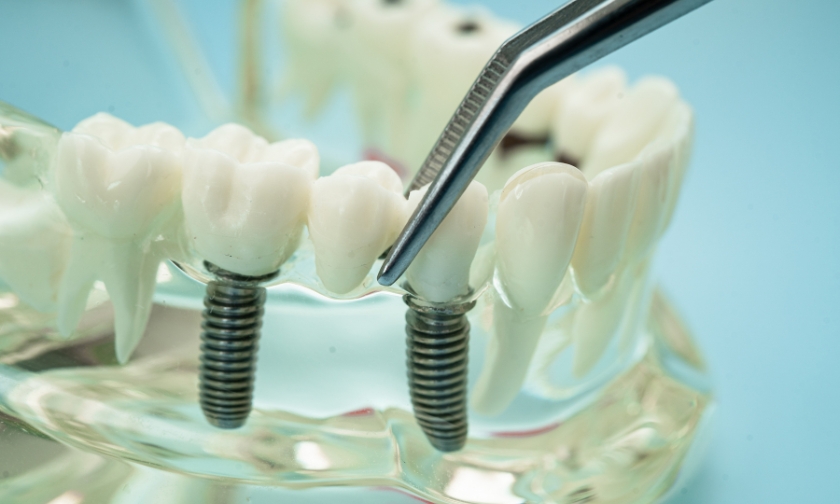
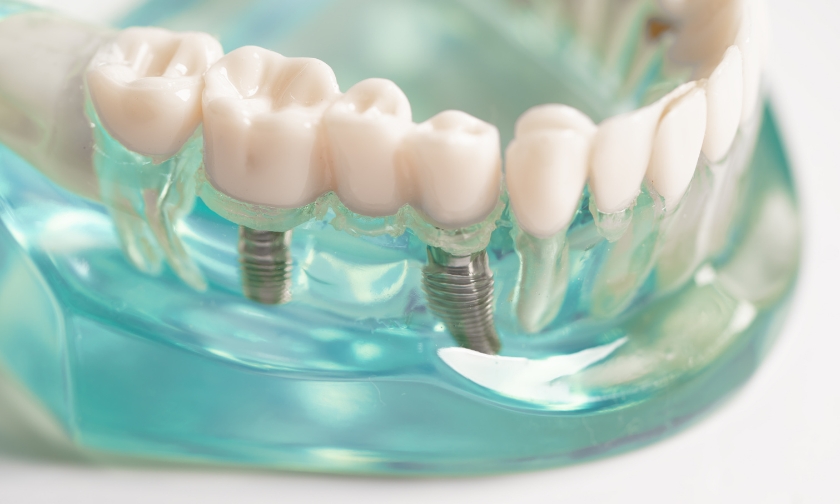
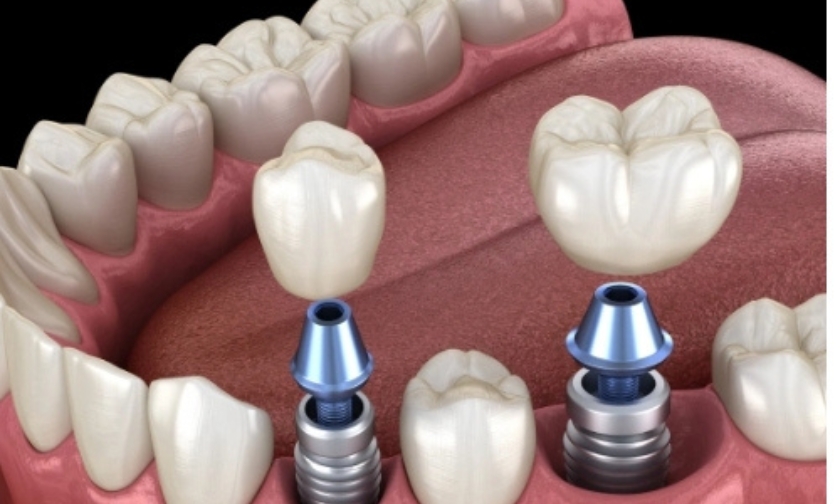
This is one of the most compelling clinical arguments for addressing tooth loss sooner rather than later. It’s also why implant-supported restorations, which physically stimulate the jawbone as natural tooth roots do, are so beneficial for long-term bone health. All-on-4 dental implants are specifically designed for patients who’ve experienced significant tooth loss or bone resorption, using a strategic four-implant configuration that maximizes bone contact, even in reduced-volume jaws.
Eating Well Before and After Your Implant Procedure
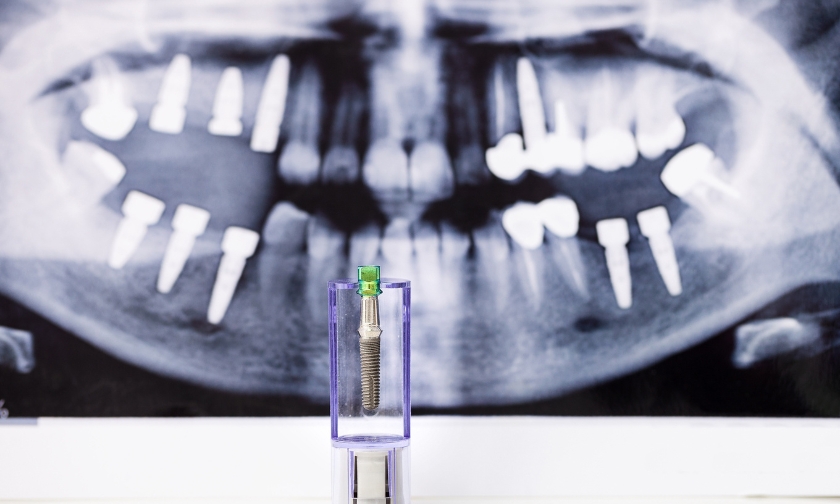
Nutrition doesn’t just matter leading up to an implant – it matters throughout the healing process as well. The osseointegration period, during which the titanium posts fuse with the jawbone, is a biological event that depends on the same nutrients that support normal bone remodeling. Patients who are deficient in Vitamin D or protein during this phase heal more slowly and face a higher risk of complications.
A few practical guidelines for patients in the Bedford, Hurst, Euless, Colleyville, and surrounding Mid-Cities area preparing for or recovering from implant treatment:
Prioritize protein. Adequate protein intake is essential for tissue repair and bone matrix formation. Lean meats, fish, eggs, legumes, and dairy all contribute. Patients recovering from any surgical procedure often benefit from a slight increase in protein intake above their usual baseline.
Load up on calcium-rich foods – not just supplements. Dietary calcium from food is generally better absorbed and utilized than supplemental calcium in large doses. Whole food sources also come packaged with co-nutrients that support absorption.
Get your Vitamin D levels checked. A simple blood test reveals where you stand. If you’re deficient, your primary care physician can recommend appropriate supplementation. Optimal levels support not just bone healing but also immune function during the post-surgical recovery period.
Avoid smoking and limit alcohol. Both impair bone metabolism and slow healing. Smoking, in particular, is one of the most significant risk factors for implant failure and should be discontinued before any implant procedure.
Maegan Elam, DDS & Associates is located in Bedford, TX, and welcomes patients from Bedford, Hurst, Euless, North Richland Hills, Colleyville, and the broader Tarrant County area. Dr. Maegan Elam takes the time to discuss not just the technical aspects of implant treatment but the health factors that shape success.
People Also Ask
Can I rebuild jawbone density through diet alone?
Diet can slow bone loss and support the remodeling cycle, but it cannot reverse significant resorption that has already occurred. Once substantial bone is lost after tooth extraction, surgical bone grafting is usually required before implants can be placed successfully.
Does sugar directly damage jawbone density?
Sugar doesn’t directly harm bone, but diets high in sugar tend to be low in bone-supporting nutrients. Excess sugar also promotes systemic inflammation and can worsen conditions like diabetes, both of which negatively affect bone metabolism and healing after dental procedures.
How long after tooth loss does significant jawbone resorption begin?
Measurable bone resorption begins within the first three to six months after tooth extraction. The rate is fastest in the early period and slows over time, but the process continues for years without intervention. Early treatment significantly reduces the extent of bone loss.
Are there medications that affect jawbone density for implant patients?
Yes. Medications like bisphosphonates, used for osteoporosis and some cancer treatments involving antiresorptive drugs, can affect jawbone healing and implant outcomes. Always inform your dental provider about all current medications during your consultation.
Can patients with dentures transition to All-on-4 implants?
Many long-term denture wearers do transition successfully to implant-supported restorations. Prolonged denture use accelerates bone resorption, so a thorough evaluation, including 3D imaging, is necessary to assess remaining bone volume and determine whether grafting is needed before placement.