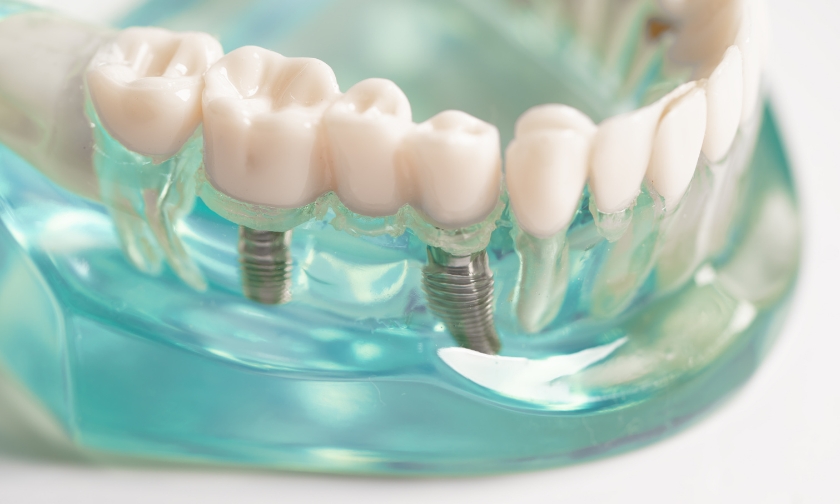
Gum disease is one of the most common reasons people lose teeth and, paradoxically, one of the most common concerns patients raise when asking about tooth replacement. The question comes up often at Maegan Elam, DDS & Associates: “My gums aren’t in great shape. Does that mean implants are off the table?”
The short answer is “not necessarily.” But the longer answer matters a lot more, because gum disease and implant success are directly connected in ways that require an honest, case-by-case evaluation. Here’s what Dr. Maegan Elam looks at, what needs to happen before treatment, and what patients in the Bedford, TX area can realistically expect.
Why Gum Disease Is a Serious Consideration for Implants
Periodontal disease (gum disease in its more advanced form) is an infection of the tissues and bone surrounding your teeth. It doesn’t just affect your gums. Left untreated, it erodes the jawbone itself, the same bone that implants need to integrate with to function long-term.
Active infection and implants are fundamentally incompatible. Placing implants into a mouth with untreated periodontal disease dramatically increases the risk of peri-implantitis (a bacterial infection around the implant that can lead to bone loss and implant failure). Studies in the Journal of Clinical Periodontology consistently show that patients with a history of periodontitis face a higher rate of implant complications when the underlying gum condition isn’t properly resolved first.
This is why All-on-4 dental implants always begin with a thorough evaluation of your gum health, bone density, and infection status. Treatment sequencing is everything here.
What Dr. Elam Evaluates Before Moving Forward
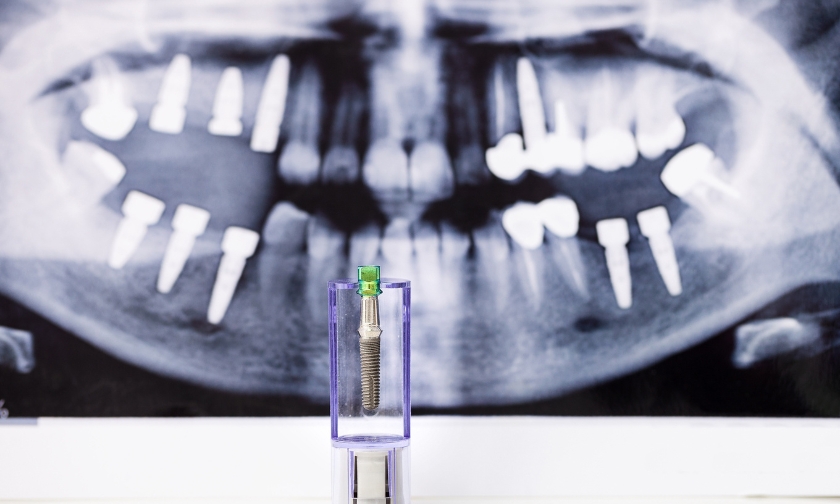
At Maegan Elam, DDS & Associates, the pre-implant evaluation goes well beyond a visual check. Dr. Maegan Elam uses a combination of periodontal probing, digital X-rays, and 3D CBCT imaging to build a complete picture of what’s happening below the gumline. Specifically, she’s looking at:
• The severity of gum disease, whether it’s gingivitis (early, reversible inflammation) or periodontitis (more advanced, involving bone loss)
• Remaining jawbone volume and density at potential implant sites
• Whether any teeth are beyond saving and need extraction as part of treatment planning
• Systemic health factors – diabetes, smoking history, and certain medications all affect both gum disease and implant healing
This evaluation isn’t just about deciding yes or no – it’s about building the right treatment sequence so that implants, when placed, have the best possible environment to succeed.
The Treatment Path: What Has to Happen First
For most patients with active gum disease, the road to implants runs through periodontal treatment. Depending on the severity, that may include:
• Scaling and root planing (a deep cleaning that removes bacterial deposits from below the gumline)
• Antibiotic therapy in more advanced cases to bring the infection under control
• Extraction of teeth that are too compromised to be preserved and would only reintroduce infection risk
• Bone grafting, where significant bone loss has occurred, and implant placement requires a stronger foundation
None of these preliminary steps is an obstacle – they’re what make a successful outcome possible. Patients who go through proper pre-treatment have better long-term implant outcomes than those who skip it.
How Long Does Pre-Treatment Usually Take?
It varies considerably. For mild gingivitis, a professional cleaning and improved home care may be all that’s needed before moving forward. For moderate to severe periodontitis with bone involvement, pre-treatment can take several months. Dr. Elam gives patients a realistic timeline at the initial consultation to move things along quickly.
What Happens After Implant Placement if You Have a Gum Disease History?
A history of gum disease means ongoing vigilance, even after successful implant integration. Patients who have had periodontitis remain at higher risk for peri-implant complications and need a more structured maintenance schedule than the average implant patient.
At Maegan Elam, DDS & Associates, that typically means more frequent hygiene appointments, often every three to four months rather than the standard six, and careful monitoring of the tissue around each implant. This isn’t excessive caution; it’s the standard of care for this patient population, and it’s what keeps implants healthy for the long term.
Patients who commit to this maintenance protocol and who manage underlying risk factors like smoking or blood sugar control tend to do very well. All-on-4 dental implants, placed in a properly prepared mouth and consistently maintained, can last for decades.
Book a consultation with Dr. Maegan Elam at Maegan Elam, DDS & Associates in Bedford, TX.
People Also Ask
What is peri-implantitis, and how is it different from gum disease?
Peri-implantitis is a bacterial infection of the tissue and bone surrounding a dental implant. It’s similar to periodontitis but affects implants rather than teeth. Left untreated, it causes progressive bone loss and can lead to implant failure.
Does smoking affect implant success for patients with gum disease?
Yes, significantly. Smoking impairs blood flow, slows healing, and increases the risk of both periodontal disease and peri-implantitis. Patients who smoke are counseled to reduce or quit before implant placement, as it meaningfully improves long-term outcomes.
Can diabetes affect whether I qualify for implants?
Uncontrolled diabetes slows healing and increases infection risk, which can complicate implant recovery. However, patients with well-managed blood sugar levels generally have outcomes comparable to non-diabetic patients. Your medical history is always part of the pre-treatment evaluation.
Is scaling and root planing painful?
Most patients find it manageable with local anesthesia. The procedure involves cleaning beneath the gumline, which can cause some soreness for a few days afterward. Any discomfort typically resolves quickly, and the results (reduced infection and healthier tissue) are well worth it.
What if my bone loss is severe – am I still a candidate?
Severe bone loss doesn’t automatically rule out implants, but it does require additional steps. Bone grafting can rebuild lost volume, and the All-on-4 technique is specifically designed to work with reduced bone by angling implants to use denser available areas. A CBCT scan clarifies candidacy.