There’s a look that long-term denture wearers often develop – a collapsed, hollowed appearance around the mouth and cheeks that makes them seem older than they are. It’s sometimes called “denture face,” and while it sounds like an aesthetic complaint, the cause runs much deeper than the surface.
The connection between dentures and premature facial aging isn’t a myth. It’s grounded in basic dental biology, and it affects millions of denture wearers across the country – many of whom don’t realize what’s happening until the changes are already visible. Here’s what’s actually going on, and what you can do about it.
The Root of the Problem: Jawbone Resorption
Your jawbone needs stimulation to stay healthy. That stimulation comes from your tooth roots – every time you bite or chew, the force travels through the roots and into the surrounding bone, signaling it to maintain its density and shape. Remove the roots, and the signal goes silent.
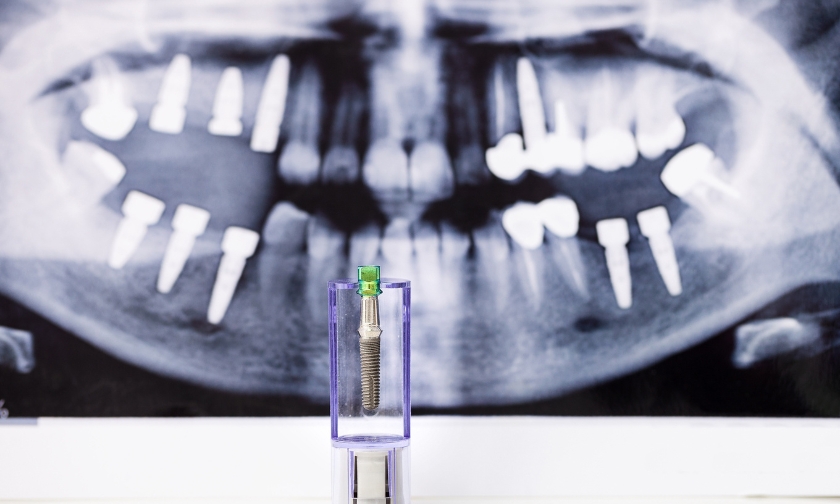
Dentures sit on top of the gumline. They restore the visible teeth, but they do nothing for the bone beneath them. Without that root stimulation, the jawbone begins to resorb – a gradual process where the body breaks down and reabsorbs bone tissue it perceives as unnecessary. Research published in Clinical Oral Implants Research has shown that patients can lose up to 25% of jawbone width in the first year after tooth extraction, with the process continuing for life.
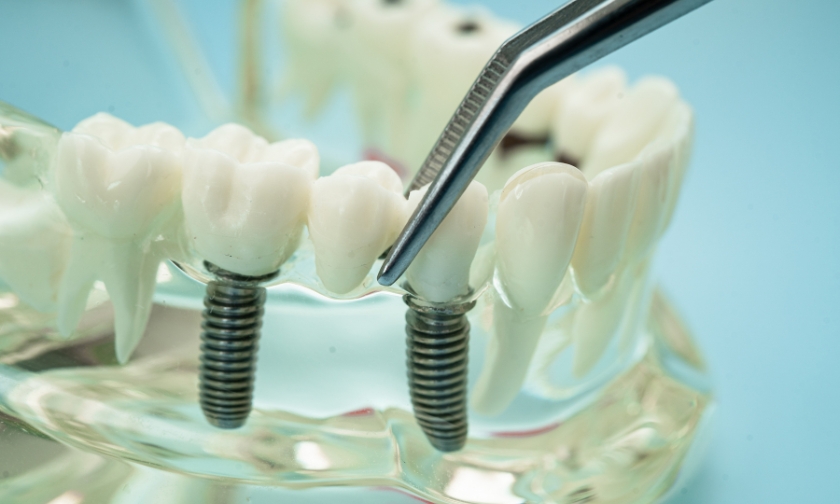
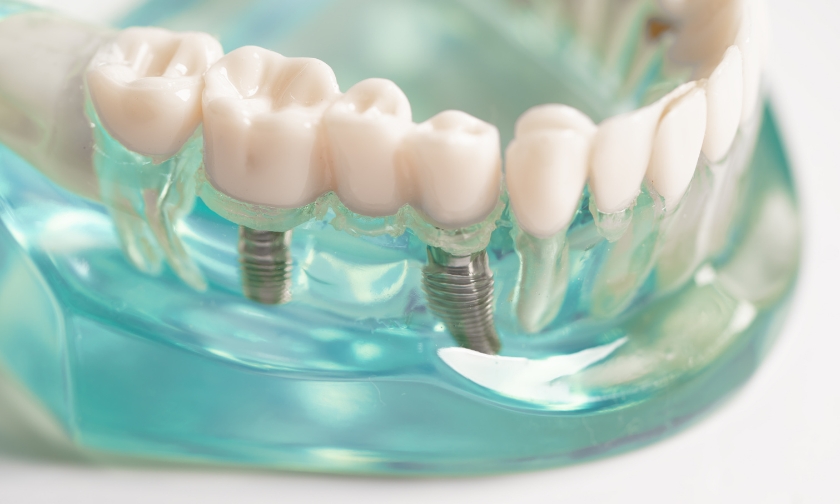
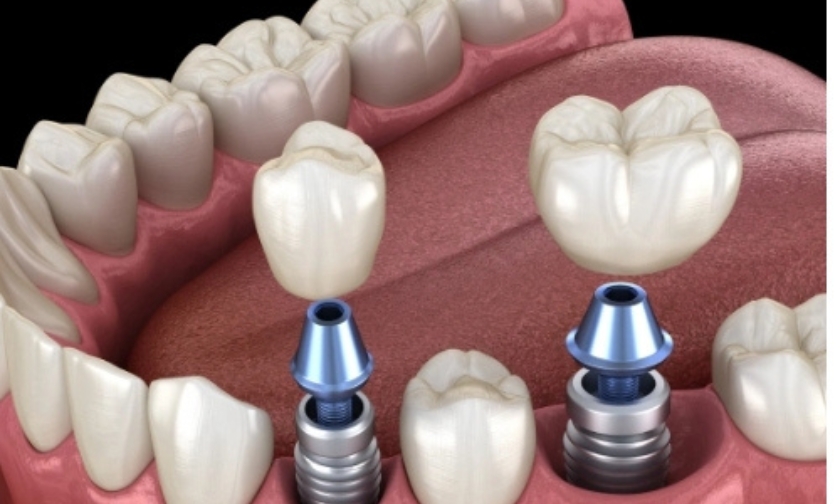
That bone loss is why All-on-4 dental implants represent such a meaningful shift in how full-arch tooth replacement is approached. Unlike dentures, implants integrate directly with the jawbone, providing root-level stimulation that helps keep bone healthy and facial structure intact.
How Bone Loss Changes the Way Your Face Looks
As the jawbone shrinks over time, the soft tissues and skin that rely on it for support begin to sag and shift. The lower third of the face – the area from the nose down to the chin loses its natural projection and fullness. The result is a set of changes that add years to a person’s appearance:
• Sunken, hollowed-out cheeks due to reduced bone volume
• Deepening of nasolabial folds (the lines running from the nose to the corners of the mouth)
• Thinning and inward rolling of the lips
• A shortened vertical face height, making the nose and chin appear closer together
• Jowling and sagging along the jawline
These changes compound over time. A person who has worn dentures for five years may look noticeably different from the same person at ten or fifteen years – not because of normal aging, but because bone loss has physically reshaped the foundation of their face.
Why Dentures Make the Problem Worse Over Time
As the jawbone resorbs, the ridge it once formed changes shape. Dentures are fitted to a specific bone structure, so as that structure shifts, dentures that once fit well start to feel loose, rock, and cause irritation. Ill-fitting dentures then press unevenly against the remaining bone, which can actually accelerate resorption in the affected areas.
Many patients undergo multiple rounds of denture refitting or reline procedures over the years, managing symptoms of a problem that keeps worsening at the structural level.
The Physical Toll Goes Beyond Appearance
Facial aging from bone loss isn’t just a cosmetic concern. When the jaw structure changes significantly, it also affects how you eat, speak, and carry yourself. Patients with advanced bone loss often experience:
• Difficulty chewing harder foods, which can shift diet toward softer, less nutritious options
• Changes in speech clarity due to shifting dentures or reduced lip and cheek support
• Chronic jaw soreness from poor denture fit
• Reduced self-confidence in social and professional settings
These quality-of-life issues are well documented in the dental literature and consistently reported by patients who later transitioned to implant-supported restorations.
Can Long-Term Denture Wearers Still Get Implants?
Yes – though the answer depends on how much bone remains. Significant bone loss doesn’t automatically disqualify someone from implant treatment. In many cases, bone grafting can rebuild volume before implant placement. Advanced 3D imaging enables dental teams to precisely assess existing bone and plan accordingly.
For patients who need full-arch replacement, All-on-4 dental implants are often an option even with reduced bone volume, since the technique strategically uses the available bone, placing four implants at angles that maximize contact with denser bone areas.
That said, the sooner bone loss is addressed, the simpler the treatment path tends to be. Bone that hasn’t been lost yet doesn’t need to be rebuilt.
At Maegan Elam, DDS & Associates, serving patients in Bedford, TX, and the surrounding DFW area, we work with patients at every stage of this journey, from those who’ve just lost teeth and want to prevent bone loss, to those who’ve worn dentures for decades and are ready to explore a longer-term solution.
Every patient starts with a thorough evaluation that includes digital X-rays and 3D CBCT imaging to assess jawbone density, gum health, and overall oral anatomy. This gives us a clear picture of where you are now and what treatment options will actually serve you well over the long term.
We don’t push one solution on everyone. Some patients benefit most from implant-supported partial restorations. Others are ideal candidates for a complete arch replacement. The goal is always the same: to restore function, preserve facial structure, and give you a result you can rely on for years.
Schedule a consultation at Maegan Elam, DDS & Associates in Bedford, TX, and get a clear, honest assessment of your bone health and tooth replacement options.
People Also Ask
How quickly does jawbone loss begin after tooth extraction?
Bone resorption can begin within weeks of losing a tooth. Measurable width loss often occurs within the first three to six months, which is why many dental professionals recommend discussing tooth replacement options before or shortly after extraction.
Are implants safe for older adults?
Age alone doesn’t disqualify someone from implants. Most healthy adults, including those in their 70s and 80s, can be good candidates. Overall health, bone density, and certain medications are the factors that matter most during evaluation.
Can bone loss from dentures be reversed without surgery?
No – once bone tissue resorbs, it doesn’t regenerate on its own. Rebuilding lost volume requires a bone graft procedure. However, stopping further loss is achievable by transitioning to implants, which restore the stimulation the bone needs.
How long does the All-on-4 process take from consultation to final teeth?
Most patients receive temporary teeth the same day as implant surgery. The final, permanent restoration is typically placed after the implants have fully integrated with the bone – a process that usually takes three to six months, depending on healing.
Do implants require special cleaning routines?
Implants don’t require the soaking or adhesives that dentures do. You brush and floss around them much like natural teeth, with some additional attention to the gumline. Regular dental checkups are still essential for long-term monitoring of implant health.