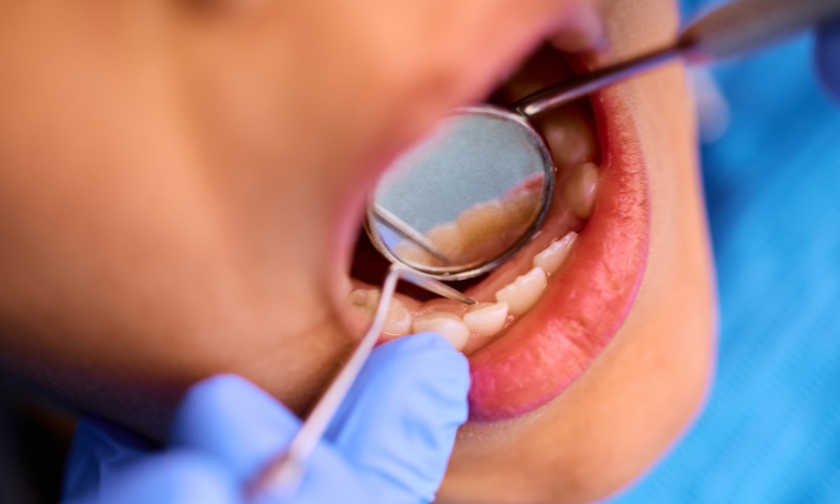
Did you know that menopause doesn’t just affect your body’s temperature regulation or hormones? It can also have a significant impact on your oral health, from your gums to your teeth. While many women are aware of the changes in their bodies during menopause, few realize how deeply it can influence their dental health. From increased gum sensitivity to weakened teeth, the hormonal shifts can bring unexpected challenges.
Dr. Maegan Elam, a trusted professional in dental health, is here to shed light on the changes your gums and teeth may go through during this natural life phase. In this blog, Dr. Elam explains how menopause can impact your oral health and offers helpful tips on how to maintain a healthy smile.
Whether you’re experiencing these changes now or anticipating them in the future, Dr. Elam’s insights will guide you through them.
Understanding Menopause and Its Impact on Health
Menopause marks a significant phase in a woman’s life, typically occurring between the ages of 45 and 55. It signifies the end of menstrual cycles and the natural decline in reproductive hormones, primarily estrogen and progesterone. This hormonal shift can affect a variety of bodily functions, including bone density, skin elasticity, and even the condition of your teeth and gums.
One of the most significant effects of menopause is the decrease in estrogen levels. Estrogen plays a vital role in maintaining healthy gums and teeth, as it helps regulate the inflammatory responses in the body. When estrogen levels drop, it can lead to changes in oral health that may not be immediately noticeable but can worsen over time if not addressed.
For many women, this period also brings about changes in the immune system, which can increase the risk of oral infections like gum disease. As your body adjusts to these hormonal fluctuations, maintaining oral health becomes even more critical. Understanding the connection between menopause and oral health is the first step to managing these changes and ensuring your smile stays bright and healthy.
How Menopause Affects Your Gums
Estrogen Decline and Gum Health
Estrogen, a hormone that plays an essential role in maintaining gum tissue, is at its lowest point during menopause. This decline can lead to gum sensitivity, inflammation, and even an increased risk of developing gum disease. As your estrogen levels drop, it becomes harder for your body to repair damaged gum tissue. This means your gums are more vulnerable to infection and damage.
Gingivitis, the first stage of gum disease, can become more prevalent during menopause. If left untreated, gingivitis can develop into periodontitis, a more severe form of gum disease that may result in tooth loss. Regular visits to a dentist near you in Bedford, like Maegan Elam, DDS & Associates, can help catch these issues early before they progress.
Dry Mouth (Xerostomia)
Dry mouth, or xerostomia, is another common symptom of menopause. It occurs when the salivary glands produce less saliva, leading to discomfort in the mouth. Saliva is essential for keeping your mouth hydrated, washing away food particles, and neutralizing acids. Without enough saliva, the risk of gum irritation and infection rises. Dry mouth can also make it more challenging to wear dentures or retainers.
If you’re experiencing dry mouth, consider using saliva substitutes or chewing sugar-free gum to stimulate saliva production. Staying hydrated and avoiding alcohol or caffeine can also help alleviate symptoms.
Tips for Maintaining Healthy Gums
To combat the effects of menopause on your gums, follow these key steps:
- Brush and floss regularly: Proper oral hygiene helps prevent gum disease and ensures your gums stay healthy.
- Use fluoride toothpaste: This strengthens teeth and helps with the prevention of tooth decay.
- Stay hydrated: Drink plenty of water to help keep your mouth moist and alleviate dry mouth symptoms.
- Visit your dentist regularly: Regular cleanings and checkups will help identify any early signs of gum disease.
The Impact of Menopause on Teeth
Enamel Erosion
As menopause progresses, many women experience weakened enamel due to the lack of estrogen. Enamel is the outer layer of your teeth, and it serves as a protective barrier against cavities and decay.
When estrogen levels drop, the body’s ability to produce calcium and maintain bone density is compromised, making your enamel more susceptible to wear. Over time, this can lead to increased tooth sensitivity and a higher risk of cavities.
Increased Tooth Sensitivity
Tooth sensitivity can become more pronounced during menopause, as changes in estrogen levels can affect the soft tissues inside your teeth. This can make your teeth feel sore or sensitive when consuming hot or cold food and beverages. As a result, everyday activities like drinking a hot cup of coffee may become uncomfortable.
Bone Density and Tooth Loss
Osteoporosis is another concern for women during menopause. This condition, characterized by a decrease in bone density, can affect the jawbone, which supports your teeth. When the jawbone becomes weaker, teeth may become loose and more prone to falling out. A weakened jawbone can also make it more difficult for dental implants to integrate properly.
Caring for Your Teeth During Menopause
To protect your teeth during menopause, it’s important to:
- Use a soft-bristled toothbrush: This reduces the risk of enamel erosion and gum irritation.
- Avoid acidic foods: Citrus and carbonated drinks can erode enamel over time, so try to limit these in your diet.
- Consider fluoride treatments: Professional fluoride treatments can help strengthen your teeth and protect them from decay.
- Eat a balanced diet: A diet rich in calcium and vitamin D helps support bone and tooth health.
Dr. Maegan Elam’s Professional Advice on Dental Care During Menopause
Dr. Maegan Elam recommends that women going through menopause pay close attention to their oral health to prevent the common dental issues associated with hormonal changes. The decline in estrogen levels can make the gums more susceptible to infection, while reduced saliva production can lead to dry mouth.
It’s crucial to maintain an effective oral care routine, including brushing twice daily with fluoride toothpaste, flossing regularly, and visiting the dentist near you in Bedford for professional cleanings and checkups.
Dr. Elam also emphasizes the importance of hydration, especially for women experiencing dry mouth. Drinking plenty of water throughout the day can help alleviate the discomfort of dry mouth and keep your gums and teeth healthy.
If you are experiencing significant changes in your oral health, such as increased tooth sensitivity or gum bleeding, Dr. Elam suggests seeking dental care promptly to avoid more serious issues.
Common Concerns and Misconceptions
Many women are unsure about the connection between menopause and their dental health. Some may think that changes in their gums and teeth are simply a part of aging. However, the hormonal fluctuations during menopause can accelerate dental issues like gum disease and tooth sensitivity. It’s important to distinguish between age-related changes and menopause-related dental problems.
Another common misconception is that tooth loss and gum disease are inevitable during menopause. While it’s true that women are at a higher risk for these conditions, they can be managed and prevented with proper care. Regular dental visits, good oral hygiene, and a balanced diet can make a significant difference in maintaining a healthy smile.
In summary, menopause can significantly affect your oral health, from gum sensitivity to weakened teeth. By understanding these changes and taking proactive steps to care for your mouth, you can minimize the impact on your dental health. Dr. Maegan Elam and her team at Maegan Elam, DDS & Associates are dedicated to helping women navigate these challenges and maintain a healthy, beautiful smile.
If you’re experiencing changes in your oral health due to menopause, schedule a consultation with Dr. Maegan Elam today to learn how to protect your smile. Your teeth and gums deserve the best care. Let us help you keep them healthy throughout every stage of life.
What People Want to Know
Why do my teeth feel more sensitive during menopause?
Hormonal changes can weaken enamel and affect the soft tissue inside your teeth, leading to increased sensitivity to hot and cold foods and drinks.
How does menopause affect saliva production?
Menopause often leads to dry mouth due to reduced saliva production, which can cause discomfort, gum irritation, and increase the risk of cavities.
Is tooth loss inevitable during menopause?
No, while menopause increases the risk of bone loss and gum disease, tooth loss can be prevented with proper oral care and regular dental checkups.
Should I change my diet during menopause to protect my teeth?
Yes, a diet rich in calcium and vitamin D is essential for maintaining bone and tooth health. Avoiding acidic foods and drinks can also protect enamel from erosion.
How often should I visit my dentist during menopause?
It’s recommended to visit your dentist every six months to monitor oral health, prevent gum disease, and address any changes due to menopause.