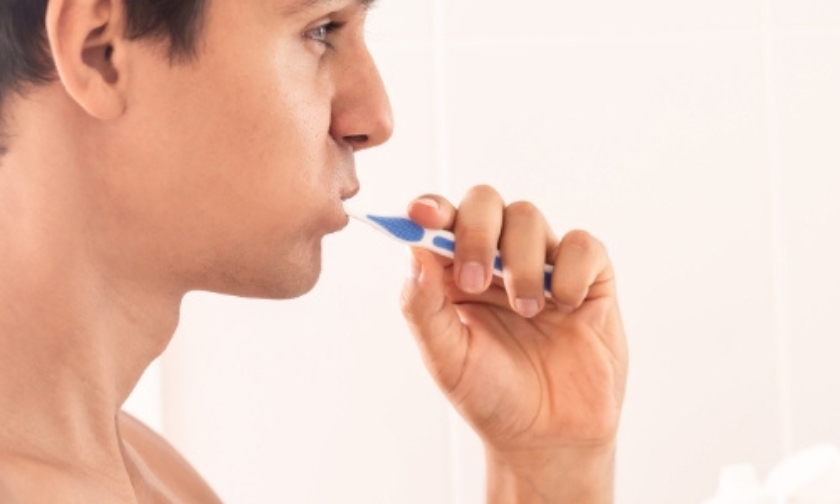
Imagine this: you’re brushing your teeth, going back and forth with a bit more force than usual, convinced that the harder you scrub, the cleaner your teeth will get. Sound familiar? Many people believe this to be true, but in reality, brushing too hard can have negative consequences. This habit, often referred to as “over-brushing,” can do more harm than good, especially when it comes to your enamel, the protective outer layer of your teeth.
But can you actually scrub your enamel away? Let’s dive into this common dental mistake and discover why it’s crucial to adjust your brushing technique to protect your smile.
What Is Over-brushing?
Over-brushing occurs when you apply excessive pressure while brushing your teeth, typically using a hard-bristled toothbrush or a vigorous scrubbing motion. It’s easy to assume that the harder you brush, the better you’re cleaning your teeth, but this is a misconception.
While it may seem like you’re removing plaque and food particles, over-brushing actually wears down your tooth enamel over time. The enamel, which is the hardest substance in the human body, can be eroded when subjected to continuous, excessive force.
Proper brushing technique plays a critical role in maintaining dental health. It’s not just about brushing harder. It’s about brushing smarter. You don’t need to apply significant force to get the job done. The goal is to clean your teeth without causing damage.
The American Dental Association (ADA) recommends using a soft-bristled toothbrush, brushing for at least two minutes, twice a day, and avoiding aggressive movements. Aggressive brushing can lead to gum recession and enamel erosion, which can lead to tooth sensitivity and other dental problems.
It’s also important to pay attention to your brushing frequency. Brushing more than three times a day, especially with excessive pressure, can contribute to enamel wear. Instead, focus on proper technique and using gentle, circular motions to clean your teeth effectively.
Understanding Tooth Enamel
Tooth enamel is the thin, hard outer layer of your teeth that protects them from decay, physical damage, and temperature extremes. Enamel is primarily composed of minerals, including calcium and phosphate, which help give it its strength. Unlike other parts of your body, enamel doesn’t regenerate, making it incredibly important to preserve. Without enamel, your teeth would be vulnerable to cavities, sensitivity, and severe decay.
The structure of enamel is crystalline and non-living, which means it doesn’t heal itself when damaged. Over time, poor oral care habits, such as over-brushing, can result in thinning enamel, leaving your teeth more exposed to harmful bacteria and plaque buildup. Additionally, as enamel weakens, it can lead to tooth sensitivity, especially when eating hot or cold foods.
Understanding enamel’s importance in maintaining overall oral health is key. Proper oral hygiene, including gentle brushing, flossing, and regular checkups with your dentist, helps preserve enamel integrity. If enamel is damaged, restorative treatments, like fillings or crowns, may be needed to protect the affected teeth.
How Over-brushing Damages Enamel
Excessive brushing forces the bristles of your toothbrush to wear away the enamel on your teeth. The repeated abrasion from hard brushing can cause enamel to gradually thin, leading to increased sensitivity and even tooth discoloration.
Over time, this can lead to the visible loss of enamel, which may appear as translucent or worn-down areas near the gum line. This condition is often referred to as “tooth abrasion.”
As enamel wears away, the underlying dentin (which is more sensitive) becomes exposed. This is why people who over-brush often experience increased tooth sensitivity, particularly when consuming hot, cold, or acidic foods. In severe cases, the dentin can be damaged, causing deeper tooth decay and potentially requiring more complex dental treatments.
Aggressive brushing can also lead to gum recession. When you brush too hard, you may push back your gums, exposing the roots of your teeth. This not only causes tooth sensitivity but also increases the risk of cavities and root infections. Unfortunately, gum recession is often irreversible, so it’s essential to be mindful of your brushing technique to prevent further damage.
Signs of enamel erosion due to over-brushing include visible wear on teeth, sensitivity to temperature changes, and discomfort when eating sweet or acidic foods. If you notice any of these symptoms, it’s important to consult with a dentist near you in Bedford to prevent further damage and receive appropriate care.
Symptoms of Over-brushing
Over-brushing can lead to several telltale symptoms. One of the most common signs is increased tooth sensitivity. If your teeth feel more sensitive than usual, especially when consuming hot or cold drinks, it might be a sign that your enamel has worn down due to excessive brushing. Other symptoms include:
- Receding gums: When you brush too hard, you risk pushing back the gum line, exposing the roots of your teeth. This can cause discomfort and increase the likelihood of developing gum disease.
- Visible tooth wear: If you notice your teeth looking more translucent or worn down, this could be a result of over-brushing. Enamel erosion often starts at the gum line, where it’s most vulnerable to abrasion.
- Tooth discoloration: As the enamel wears away, the underlying dentin becomes more visible. This can lead to a yellowish or darkened appearance on your teeth.
The connection between over-brushing and gum recession is significant. When the gums recede, they expose the roots of the teeth, which are not covered by enamel. This can make your teeth more susceptible to decay, infection, and other oral health issues.
How to Brush Correctly Without Damaging Your Enamel
To ensure you’re brushing effectively without damaging your enamel, follow these simple steps:
- Use a soft-bristled toothbrush: Hard bristles can be too abrasive on your enamel and gums. Soft bristles will help remove plaque without causing damage.
- Use gentle circular motions: Avoid aggressive back-and-forth scrubbing. Instead, use small, gentle circles to clean the surfaces of your teeth.
- Brush for two minutes: Ensure you spend enough time brushing each quadrant of your mouth. Two minutes of brushing is sufficient to clean your teeth thoroughly.
- Don’t brush too often: Brushing twice a day is generally enough to keep your teeth clean. Over-brushing can cause more harm than good.
- Use fluoride toothpaste: Fluoride helps strengthen enamel and prevent cavities. Choose a toothpaste that contains fluoride for maximum protection.
- Replace your toothbrush regularly: A worn-out toothbrush will be less effective and may cause you to brush harder. Replace it every three to four months.
When to Seek Help from a Dentist
If you’ve been over-brushing and are noticing signs of enamel erosion or gum recession, it’s time to seek professional advice. A dentist near you in Bedford can evaluate the damage and recommend treatment options, such as fluoride treatments to remineralize the enamel or dental bonding to repair minor damage.
If you’re unsure about your brushing technique, your dentist can provide guidance on how to brush properly to prevent further wear. Regular dental checkups are important for catching early signs of enamel erosion or gum recession before they lead to more serious issues.
Over-brushing is a common mistake that can have lasting effects on your enamel and overall dental health. By adopting a gentler brushing technique, using the right tools, and seeking regular dental care, you can protect your teeth and maintain a healthy, bright smile.
If you’re concerned about your brushing habits or noticing signs of enamel wear, don’t wait. Schedule an appointment with Maegan Elam, DDS & Associates today. Your smile deserves the best care!
People Also Ask
How do I know if I’m over-brushing?
Signs of over-brushing include tooth sensitivity, gum recession, and visible wear or discoloration on your teeth.
Is it okay to brush more than twice a day?
Brushing more than twice a day with excessive force can damage your enamel. Stick to twice daily for optimal results.
What type of toothbrush is best for preventing enamel wear?
A soft-bristled toothbrush is ideal for protecting enamel and gums from damage caused by over-brushing.
When should I consult a dentist about enamel damage?
If you notice signs of enamel erosion or gum recession, it’s important to schedule a dental visit to prevent further damage and discuss treatment options.
Can over-brushing cause permanent damage to my teeth?
Yes, over-brushing can wear down your enamel, leading to irreversible damage and increased tooth sensitivity.