Most people don’t realize their jawbone starts shrinking the moment a tooth is lost. This process is silent, slow, and easy to ignore — until the damage becomes serious. If you’ve been putting off dental implants in Euless, your body may already be sending you warning signals. Recognizing those signals early can mean the difference between a straightforward implant procedure and a complex bone graft. Here are five signs that you’ve waited too long — and what you can do about it right now.
Why Jawbone Loss Happens After Tooth Loss
Your teeth do more than help you chew and speak. Their roots constantly stimulate the jawbone beneath them. That stimulation tells your body to maintain bone density in that area. When a tooth is lost, that stimulation stops immediately.
Without it, your body begins reabsorbing the bone. This process is called resorption. Studies show that up to 25% of bone width can be lost within the first year alone. After several years, the changes can become significant enough to alter your face shape.
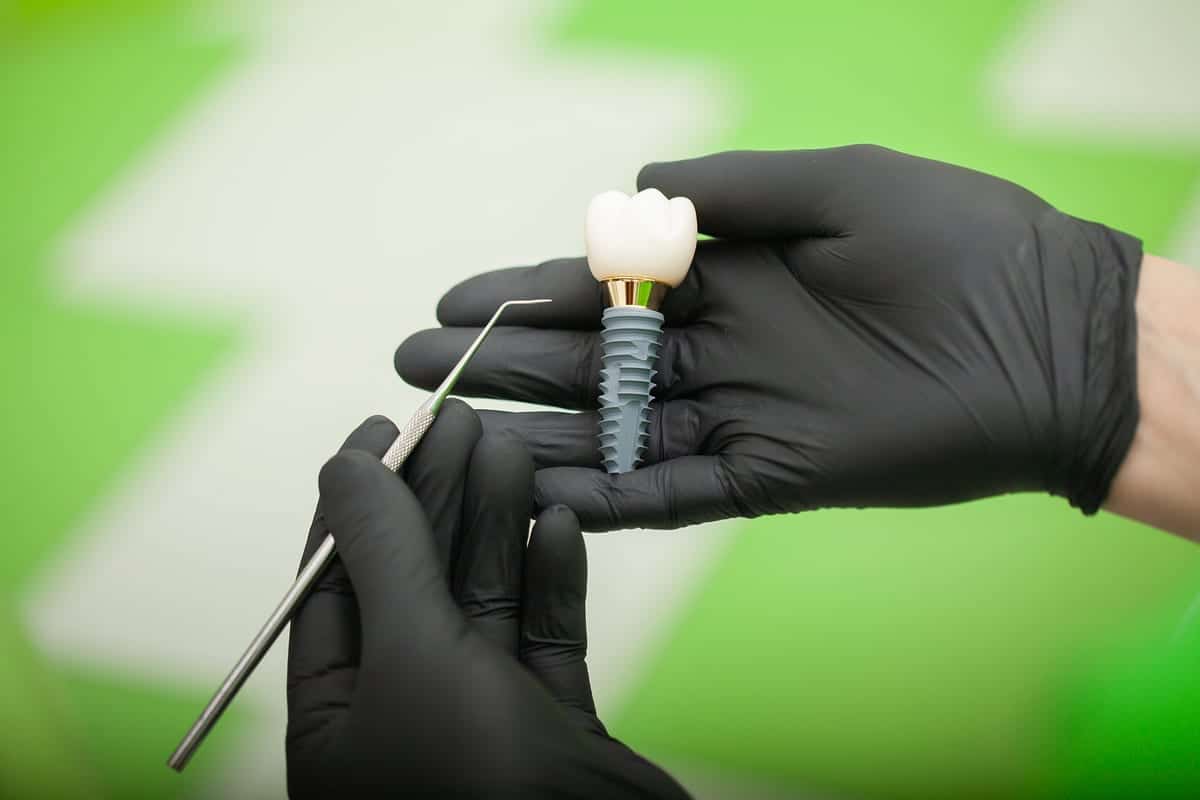
Dental implants are the only tooth replacement option that mimics natural root stimulation. They halt bone loss and integrate directly with your jaw. Every month you delay, the bone available for implant placement shrinks further.
Sign 1 — Your Face Looks Older Than It Should
One of the most visible signs of jawbone loss is facial collapse. This happens when bone shrinks enough to reduce support for your cheeks and lips. Your lower face may look sunken or prematurely aged. Many patients notice this change years before they connect it to missing teeth.
If your face shape has changed since losing a tooth, bone resorption is likely a factor. The longer this continues, the more difficult implant placement becomes. At that point, a bone graft may be required before any implant can be placed. That adds time, cost, and recovery to your treatment plan.
Acting sooner preserves your facial structure and your options. Patients in Euless who seek implants early often avoid the need for supplemental bone grafting entirely.
Sign 2 — Your Remaining Teeth Are Shifting or Feel Loose
Your teeth rely on each other for structural support. When one tooth is missing, neighboring teeth begin to drift into the empty space. This movement may seem minor at first. Over time, it can cause misalignment, bite problems, and even additional tooth loss.
Shifting teeth also affect how your jaw closes. An uneven bite places excess pressure on specific teeth. That stress can crack enamel, wear down cusps, and lead to jaw pain over time. Many patients don’t connect their bite changes to a missing tooth until significant damage has occurred.
If you’ve noticed your teeth moving or feel sensitivity in areas where you never had issues before, it’s time to act. A dental evaluation can confirm whether bone loss and shifting are contributing to these changes. The sooner implants fill the gap, the sooner your remaining teeth stabilize.
Sign 3 — Chewing Has Become Difficult or Painful
Healthy teeth distribute chewing force evenly across your jaw. A missing tooth disrupts that balance immediately. You may unconsciously shift chewing to one side to avoid discomfort. Over time, this imbalance strains jaw muscles and the temporomandibular joint.
Difficulty chewing certain foods is a common early warning sign. Many patients start avoiding hard or crunchy foods without realizing why. If your diet has quietly narrowed because eating has become uncomfortable, bone and tissue changes may be the cause.
Painful chewing can also indicate that gum tissue over the empty space has thinned or become irritated. This makes implant placement more complex. Addressing the issue promptly gives you the best chance at a straightforward procedure with minimal preparation needed.
Sign 4 — Your Gums Look Receding or Your Jawline Appears Uneven
Gum recession over a tooth gap is a clear sign of bone loss beneath the surface. As bone resorbs, the gum tissue that once covered it follows. You may notice the gumline near a missing tooth looks lower than surrounding areas. The jawline itself may appear uneven when viewed from the side.
This kind of recession is not just cosmetic. It signals that the bone structure needed to anchor an implant is diminishing. A receded gumline can also expose neighboring tooth roots, increasing sensitivity and decay risk. Keeping up with Dental Cleanings helps monitor these changes and keeps surrounding gum tissue healthier during the implant planning process.
If you’ve noticed an uneven gumline or visible gaps in your jaw contour, schedule an evaluation promptly. Early-stage bone loss is much easier to manage than advanced resorption that requires extensive grafting.
Sign 5 — You’ve Been Wearing a Denture or Bridge for Years
Traditional dentures and bridges do not stimulate the jawbone. They sit on top of or anchor to existing teeth, but they don’t replace the root function that preserves bone. If you’ve worn a partial denture or bridge for several years, bone loss has very likely been progressing underneath.
Many patients are surprised to learn their well-fitting denture from a few years ago now feels loose. That looseness is bone resorption making the ridge smaller. A bridge that once felt secure may now put stress on anchor teeth that have shifted slightly. These are signs the underlying structure is changing.
Switching to implants can stop further bone loss and restore the root-level stimulation your jaw needs. Even patients who have worn dentures for years are often still candidates for implants, though the planning process may be more involved.
What Implant Treatment Looks Like at Our Bedford Practice
Dr. Maegan Elam and her team work with patients across the DFW area, including those in Euless seeking long-term tooth replacement solutions. The process begins with a thorough evaluation, including imaging to assess bone density and volume. From there, a personalized treatment plan is created based on your specific needs.
Implant placement is a surgical procedure completed in stages. Healing time allows the implant to fuse with the jawbone before the final crown is attached. The result is a restoration that looks, feels, and functions like a natural tooth.
For patients exploring full smile restoration alongside implants, options like Dental Veneers may complement implant treatment for surrounding teeth. Every plan is tailored to your unique anatomy, goals, and timeline.
Benefits of Acting Sooner Rather Than Later
- More available bone for implant placement — reducing or eliminating the need for grafting
- Simpler, faster treatment with fewer preparatory procedures
- Better long-term outcomes and implant stability
- Preserved facial structure and natural appearance
- Protection of neighboring teeth from further shifting and stress
- Improved chewing function and daily comfort
What to Expect During Your Implant Consultation
- A full dental examination including digital X-rays or 3D imaging
- Assessment of bone volume and gum health at the implant site
- Discussion of your medical history and any factors affecting healing
- A detailed treatment plan with clear timelines and options
- Answers to all your questions before any decision is made
Don’t Let More Time Work Against You
The warning signs above are your body’s way of telling you that waiting is no longer the safe choice. Bone loss doesn’t pause while you decide. Every week without stimulation at the implant site is a week your options narrow. The good news is that many patients who act now — even with some bone loss present — are still excellent implant candidates.
Dr. Maegan Elam and her team are here to evaluate where you are today and build a path forward that fits your situation. Euless residents don’t have to travel far for expert implant care. We’re just minutes away in Bedford and ready to help you take the next step. Book Now to schedule your appointment with our team.
Frequently Asked Questions
How quickly does jawbone loss begin after a tooth is extracted?
Bone resorption begins within the first few weeks after tooth loss. The most rapid changes typically occur within the first 12 months. After that, bone loss continues at a slower but steady rate. This is why dental professionals recommend evaluating implant options as soon as possible after extraction.
Can I still get implants if I’ve had a missing tooth for many years?
Many patients with long-term tooth loss are still implant candidates. However, significant bone loss may require a bone grafting procedure before implant placement. A 3D scan of your jawbone will give your dentist an accurate picture of what is available and what preparation, if any, is needed.
Does bone grafting hurt, and how long does it add to treatment?
Bone grafting is typically performed with local anesthesia and is well-tolerated by most patients. Mild soreness for a few days afterward is normal. Healing from a graft takes approximately three to six months before implant placement can proceed. Not every patient requires grafting — early action often eliminates this step.
How do dental implants differ from dentures in terms of bone preservation?
Dental implants are placed directly into the jawbone and function like natural tooth roots. This contact stimulates the bone and prevents resorption. Dentures rest on top of the gum tissue and provide no root-level stimulation. Over time, denture wearers continue to lose bone while implant patients maintain their bone density.
How do I know if I’m a good candidate for dental implants?
Candidacy depends on factors including overall oral health, bone density, gum health, and general medical history. The best way to find out is to schedule a consultation with Dr. Maegan Elam. She will assess your specific situation and provide honest, detailed guidance on your options and next steps.