Your jawbone is shrinking — and if you’ve lost a tooth, this process may already be underway. Many Bedford, TX patients don’t realize how quickly bone loss begins after tooth loss. Understanding why waiting on implants gets costlier in Bedford could save you significant time, money, and discomfort. This article covers the warning signs that you’ve waited too long and why acting now matters.
Why Bone Loss Starts Immediately After Tooth Loss
Your jawbone needs stimulation to stay strong and dense. That stimulation comes from the pressure of biting and chewing through your tooth roots. When a tooth is gone, that section of bone no longer receives any stimulation.
Within the first year of tooth loss, you can lose up to 25% of the bone width in that area. This process is called bone resorption, and it doesn’t slow down on its own. The longer the gap remains, the more bone disappears.
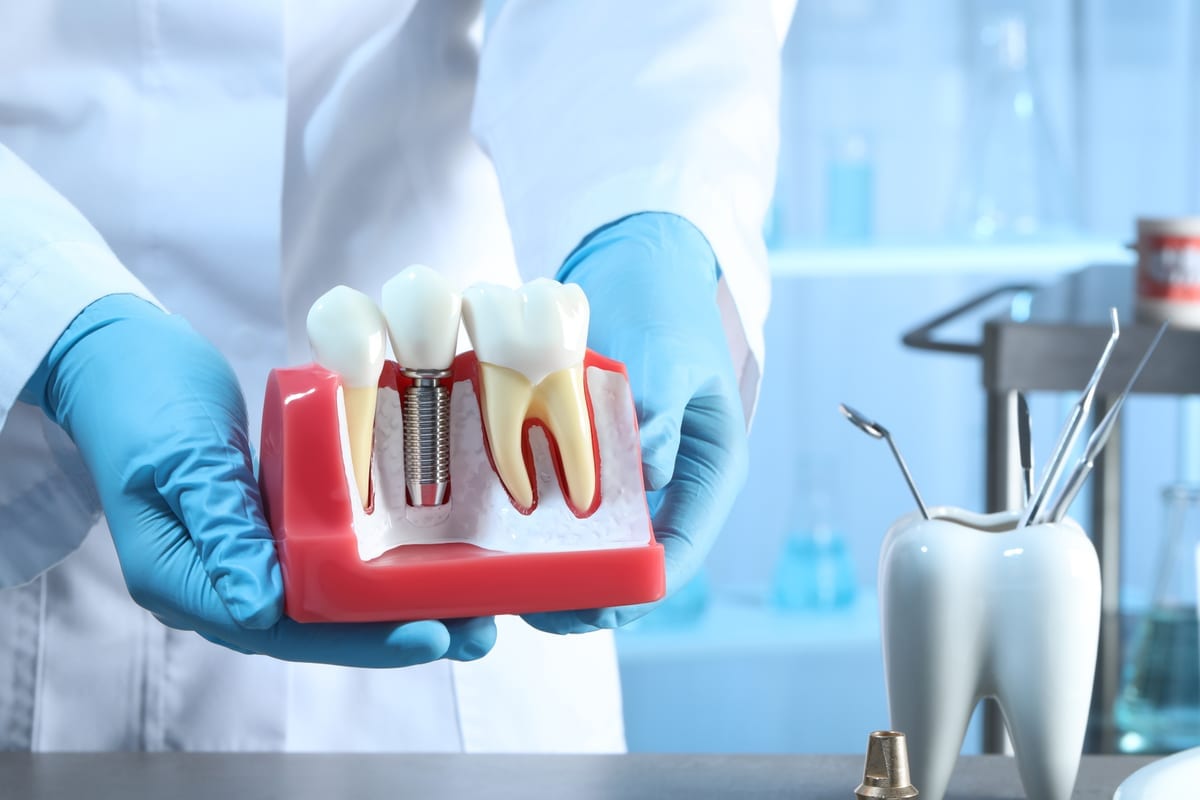
Dental implants work by replacing the missing root with a titanium post. That post fuses with the jawbone and restores the stimulation your bone needs. Without it, the deterioration continues silently beneath the surface.
Warning Signs You’ve Already Waited Too Long in Bedford
Many patients in Bedford come to us unaware of how advanced their bone loss has become. The signs are often subtle at first. By the time symptoms feel obvious, significant damage may have occurred.
Watch for these warning signs that bone loss is progressing:
- Shifting teeth: Neighboring teeth begin to drift into the empty space, changing your bite.
- Difficulty chewing: Certain foods become harder to eat, even on the other side of your mouth.
- Sunken facial appearance: Your cheeks or lips may look hollow near the missing tooth area.
- Loose dentures or partials: If your existing restoration no longer fits well, bone has likely shrunk beneath it.
- Jaw pain or discomfort: A misaligned bite from shifting teeth strains your jaw joints.
These signs don’t appear overnight. They develop over months and years of waiting. If you recognize any of these in yourself, it’s time to take action.
How Waiting Makes the Implant Process More Complicated
Here’s what most patients don’t expect: the longer you wait, the more complex and costly the treatment becomes. This is the core reason why waiting on implants gets costlier in Bedford over time.
When bone loss is significant, your jawbone may no longer have enough volume to support an implant. Your dentist would then need to perform a bone grafting procedure before placing the implant. This adds time, cost, and recovery to the overall process.
Shifting teeth can also create orthodontic problems. Teeth that have drifted may need to be repositioned before implant placement is even possible. What started as a straightforward single-tooth implant can become a multi-step, multi-appointment journey.
Addressing the issue early keeps the treatment plan simple. The bone is healthier, the site is easier to work with, and the outcome is more predictable. Early action is almost always the more affordable path.
What a Healthy Implant Candidacy Looks Like
The ideal implant candidate has sufficient jawbone density and volume at the implant site. They also have healthy gums and no active infection. Most people who come in soon after tooth loss meet these criteria naturally.
Here are the key factors Dr. Elam evaluates for implant candidacy:
- Adequate bone height and width at the site
- Healthy gum tissue without active periodontal disease
- Good overall oral health with no untreated decay
- No habits or conditions that significantly slow healing
Regular Dental Cleanings play a big role in maintaining this candidacy over time. Gum disease is one of the fastest ways to lose bone around teeth and implant sites. Keeping your gums healthy protects both your natural teeth and any future implant work.
If you’ve already experienced some bone loss, that doesn’t automatically disqualify you. It simply means we’ll need to assess what’s possible and plan accordingly.
How Implants Fit Into a Broader Smile Plan
For many patients, dental implants are just one part of a larger smile transformation. Once the implant is placed and healed, cosmetic options become available to refine the overall look. Some patients choose Dental Veneers on surrounding teeth to create a more cohesive, polished smile.
This kind of full-picture planning is something Dr. Elam and our team approach with every patient. We don’t just fix isolated problems. We look at your entire smile and help you understand what’s possible.
The sooner the implant foundation is in place, the more options you have for building on it. Waiting limits your flexibility and the cosmetic outcomes available to you. Acting now opens more doors.
Taking the First Step Toward Protecting Your Jawbone
You don’t need to have all the answers before coming in. You just need to take the first step. A consultation with Dr. Maegan Elam at our Bedford, TX practice gives you a clear picture of where your bone health stands today.
We use modern imaging to evaluate bone density and identify any areas of concern. You’ll leave the appointment with a thorough understanding of your options, your timeline, and what to expect. There’s no pressure — just honest, educational guidance.
Bedford patients who act early consistently have smoother treatment experiences. The process is less involved, recovery is faster, and the results last longer. Your jawbone is shrinking — but the right intervention can stop that process in its tracks.
Don’t let another month pass while the bone continues to resorb. The sooner you come in, the simpler and more affordable the solution. Book Now to schedule your appointment with our team.
Frequently Asked Questions
How quickly does jawbone loss occur after a tooth is lost?
Bone loss begins within weeks of losing a tooth. In the first year alone, you can lose up to 25% of bone width at the site. The process continues gradually over time if no implant or bone-preserving treatment is placed.
Can I still get a dental implant if I’ve already lost significant bone?
In many cases, yes — but additional procedures like bone grafting may be required first. A bone graft rebuilds the lost volume so the implant has a stable foundation. Dr. Elam will evaluate your bone density and walk you through your specific options during your consultation.
What makes dental implants better than other tooth replacement options?
Dental implants are the only tooth replacement option that also replaces the root. This is critical because root stimulation is what prevents bone loss. Bridges and dentures restore the visible tooth but do nothing to stop the underlying bone from deteriorating over time.
How do I know if I’m a good candidate for dental implants in Bedford?
The best way to find out is through a professional evaluation with Dr. Maegan Elam. She will review your bone density, gum health, and overall oral health to determine your candidacy. Many patients are surprised to find they qualify even after waiting longer than they’d hoped.
Will teeth shifting cause long-term problems if I wait on an implant?
Yes. Shifting teeth affect your bite alignment, which can lead to jaw joint strain, uneven wear on teeth, and increased risk of decay in hard-to-clean gaps. Correcting shifted teeth later adds complexity and cost to your overall treatment plan.