Your shifting teeth and bone loss are telling you something important in Colleyville — and it is worth listening. Many residents ignore early dental warning signs because they feel manageable. But by the time teeth visibly shift or chewing becomes painful, the underlying damage is often significant. Understanding what these signs mean can help you act before the situation becomes harder to treat.
At Maegan Elam, DDS and Associates Bedford, we see patients from Colleyville who waited longer than they should have. We never judge that decision. But we do want to help you recognize the signals your body is sending right now.
What Shifting Teeth in Colleyville Are Actually Telling You
Teeth do not shift on their own without a reason. When a tooth is lost or severely compromised, neighboring teeth begin to drift into the empty space. This movement is your jaw’s response to instability.
Even small gaps change the entire bite structure over time. You may notice your teeth look slightly different in photos. You might feel that your top and bottom teeth no longer meet the way they once did. These are not cosmetic nuisances — they are structural warnings.
Shifting also signals that the bone beneath your gums is no longer receiving stimulation. Healthy tooth roots press against the jawbone with every bite. Without that pressure, the bone begins to shrink. This process is called resorption, and it accelerates the longer a tooth remains missing.
- Gaps between teeth that were not there before
- Teeth that feel loose or slightly mobile
- Changes in how your upper and lower teeth fit together
- Difficulty biting or chewing certain foods
- A sunken or aged appearance around the jawline
Bone Loss: The Silent Problem Underneath the Surface
Bone loss is one of the most serious and least visible consequences of tooth loss. Most patients do not feel it happening. There is no sharp pain, no obvious swelling, and no immediate alarm. That silence is exactly what makes it dangerous.
Within the first year of losing a tooth, the jawbone in that area can lose up to 25 percent of its width. After three years, the loss compounds. This reduction affects facial structure, makes future dental work more complicated, and limits your options for replacement.
Regular Dental Cleanings help catch early signs of bone loss before they escalate. Your hygienist and dentist can measure bone levels during routine visits. Early detection gives you far more treatment options than waiting until bone loss becomes severe.
Bone loss does not pause while you decide what to do. Every month of delay narrows the window for simpler, less invasive solutions.
Warning Signs You Have Already Waited Too Long
Some warning signs indicate that damage has moved beyond early-stage intervention. Recognizing these signs in Colleyville patients is a key part of what we do at our Bedford practice.
Difficulty chewing is one of the clearest red flags. If you are avoiding certain foods, favoring one side of your mouth, or cutting food into unusually small pieces, your bite has been compromised. This is not just inconvenient — it affects your nutrition and overall health.
- Persistent soreness in the jaw or surrounding teeth
- Visible spaces where teeth once were
- Gum tissue that appears to be receding or pulling away
- A feeling that your face looks different or has changed shape
- Dentures that no longer fit securely
- Frequent headaches linked to jaw tension or misalignment
If you recognize two or more of these signs, schedule an evaluation promptly. The goal is not to alarm you — it is to give you information while your options are still wide open.
Why Dental Implants Address Bone Loss Directly
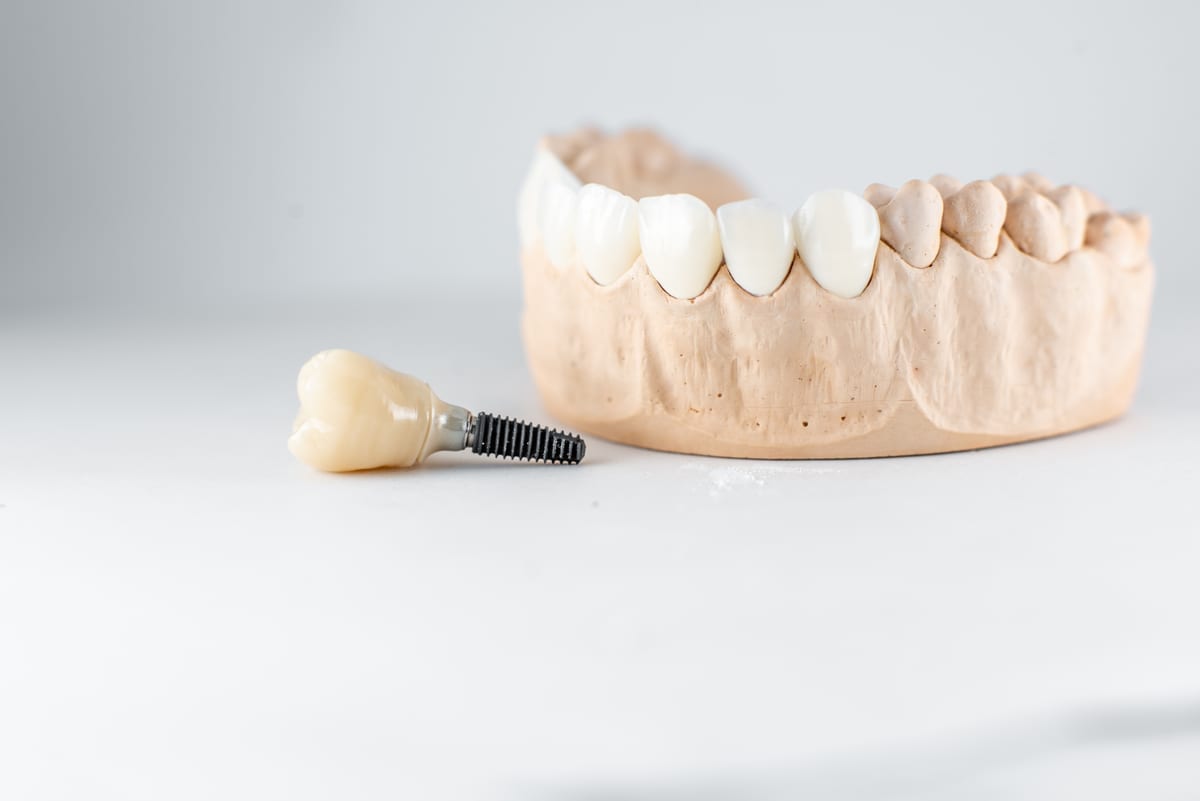
Most tooth replacement options treat what you can see. Dental implants address what you cannot. A titanium implant post is placed directly into the jawbone, mimicking the function of a natural tooth root. This stimulation halts the resorption process and encourages bone maintenance.
That is a critical distinction. Bridges and removable dentures restore the appearance of a full smile. But they do not stop the bone from continuing to shrink beneath the surface. Only an implant does that.
Patients who receive implants early in the process often require less bone grafting and enjoy simpler procedures. Waiting until bone loss is severe may require additional preparatory treatments before implant placement is even possible.
Restoring your smile is important. Preserving the structural foundation of your jaw is equally important. Implants achieve both goals simultaneously.
How Cosmetic Options Fit Into a Complete Smile Plan
Not every patient presenting with warning signs needs implants immediately. Some patients have shifting teeth caused by crowding or wear rather than tooth loss. A comprehensive evaluation helps determine the actual source of the problem.
For patients with surface-level damage, discoloration, or minor structural concerns, Dental Veneers may be part of a broader smile restoration plan. Veneers can correct the appearance of worn, uneven, or slightly misaligned teeth. However, they work best when the underlying bone and gum health are sound.
Dr. Maegan Elam takes a whole-mouth approach to every new patient. The goal is not to sell a single procedure. It is to give you a clear picture of your dental health so you can make informed decisions with confidence.
Taking Action for Colleyville Patients Who Are Ready
If you live in Colleyville and have noticed changes in your teeth, your bite, or your jaw, this is the right moment to act. Waiting rarely makes dental problems easier or less expensive to address.
Dr. Elam and our Bedford team welcome patients from the Colleyville area for thorough evaluations. We take time to explain exactly what we find and walk through every available option. You will leave with a clear understanding of your situation and a treatment path that makes sense for your life.
Your shifting teeth and bone loss are telling you something important. We help you hear that message clearly and respond to it effectively. Book Now to schedule your appointment with our team.
Frequently Asked Questions
How quickly does bone loss happen after a tooth is lost?
Bone loss can begin within weeks of losing a tooth. In the first year, the jawbone in the affected area may lose up to 25 percent of its width. The process continues gradually over time, which is why early evaluation and treatment are so important.
Can shifting teeth be corrected if I have already experienced bone loss?
In many cases, yes. The right approach depends on the extent of bone loss and the position of the remaining teeth. A thorough evaluation will determine whether implants, orthodontic treatment, or a combination of solutions is most appropriate for your situation.
Are dental implants still possible if significant bone loss has already occurred?
Implants may still be possible, but severe bone loss can require a bone grafting procedure before placement. This adds time and steps to the process. Acting earlier typically means fewer preparatory treatments and a more straightforward implant experience.
What is the difference between shifting teeth from crowding and shifting from tooth loss?
Shifting from crowding usually involves gradual movement over many years and is often linked to bite pressure patterns. Shifting from tooth loss tends to happen faster and moves toward an empty space. A clinical exam and X-rays will identify the cause accurately.
How often should I have dental cleanings if I am concerned about bone loss?
Most adults benefit from professional cleanings every six months. However, patients with active gum disease, a history of tooth loss, or early signs of bone loss may need more frequent visits. Your dentist will recommend the right schedule based on your specific needs.