Your jaw is changing — and most people don’t notice until the damage is significant. Missing teeth trigger a chain reaction inside your jawbone. Without tooth roots stimulating the bone, your body stops maintaining it. If you’ve been putting off dental implants in Bedford, the warning signs below may already apply to you. Recognizing them early can mean the difference between a straightforward restoration and a complex bone grafting procedure.
Why Waiting on Implants Hurts More Than Your Smile
A missing tooth isn’t just a cosmetic issue. Every day without a replacement, your jawbone loses stimulation it depends on to stay dense. This process, called resorption, starts within weeks of losing a tooth. Over months and years, it reshapes your entire facial structure.
Patients in Bedford often delay implants because they feel fine at first. The problem builds quietly beneath the surface. By the time symptoms become obvious, bone loss may already require extra treatment steps. Understanding the signs helps you act before your options narrow.
Here’s what your jaw may be trying to tell you right now.
Sign 1 — Your Face Looks Different in Photos
Bone loss doesn’t stay invisible forever. Many patients notice their lower face looks sunken or older than expected. This happens because the jawbone shrinks when tooth roots no longer stimulate it. Your lips may appear thinner, and your chin may seem to jut forward slightly.
This facial collapse is one of the clearest signs you’ve waited too long for implants in Bedford. It’s not vanity — it’s a structural warning. Implants replace the root, not just the crown, which is why they’re the only restoration that prevents this change. No denture or bridge can replicate that biological function.
Sign 2 — Your Remaining Teeth Are Shifting
Teeth rely on their neighbors for positional stability. When a tooth goes missing, the surrounding teeth begin to drift toward the gap. This shifting changes your bite and creates new alignment problems. It can also make future implant placement more complicated.
Watch for these specific changes in your mouth:
- Gaps appearing between teeth that were previously close together
- A front tooth that looks more crooked than before
- Difficulty biting down evenly on both sides
- Increased sensitivity where teeth have shifted and exposed roots
These shifts happen gradually, so they’re easy to miss. If you’ve noticed any of them, schedule an evaluation with Dr. Maegan Elam at her Bedford practice right away. The longer you wait, the more alignment correction may be needed alongside implant placement.
Sign 3 — Chewing Has Become Genuinely Difficult
Healthy chewing requires balanced pressure across all your teeth. A missing tooth forces surrounding teeth to absorb extra stress. Over time, this imbalance leads to worn enamel, cracked teeth, and jaw joint strain. Many patients adapt without realizing how much their diet has changed.
Ask yourself honestly: Have you stopped ordering certain foods at restaurants? Do you chew only on one side? Do you cut everything into smaller pieces to avoid discomfort? These are behavioral signs your chewing function is already compromised.
Difficulty chewing also affects nutrition. Patients with missing teeth often avoid fresh vegetables, lean meats, and raw fruits. That dietary shift has real health consequences beyond your mouth. Implants restore full chewing function — bridges and removable dentures rarely come close.
Sign 4 — Your Gums Look or Feel Different
Healthy gum tissue fills the space around your teeth completely. After tooth loss, that gum tissue begins to flatten and recede in the empty space. The area may look darker or feel tender when pressed. In some cases, patients notice the gum ridge feels noticeably lower than it used to.
This gum recession is a direct signal of underlying bone loss. It also complicates implant placement if it progresses too far. Gum health is closely connected to implant success rates. This is why Dr. Elam’s team evaluates Dental Cleanings and periodontal health before any implant procedure begins.
Regular cleanings keep existing gum tissue healthier during the evaluation and treatment period. They also catch early signs of periodontal disease that could jeopardize your implant results. Don’t skip preventive care while you’re planning restorative work.
Sign 5 — You’ve Already Been Told You Need a Bone Graft
This is the most direct warning sign of all. If a previous dentist mentioned bone grafting, your jawbone has already lost significant volume. A bone graft rebuilds the foundation needed to anchor an implant securely. It adds time and cost to the process — but it’s still possible.
Here’s what the implant timeline looks like when bone loss is involved:
- Comprehensive exam and 3D imaging to assess bone density
- Bone graft procedure and a healing period of several months
- Implant post placement once the grafted bone has integrated
- Abutment attachment and crown fabrication after osseointegration
- Final crown placement and bite adjustment
Each delay adds another step. Patients who act before bone loss becomes severe often skip the grafting stage entirely. That’s a meaningful difference in both time and treatment complexity. The goal at Maegan Elam, DDS and Associates Bedford is to help you preserve as much bone as possible before reaching that threshold.
What Implants Do That Nothing Else Can
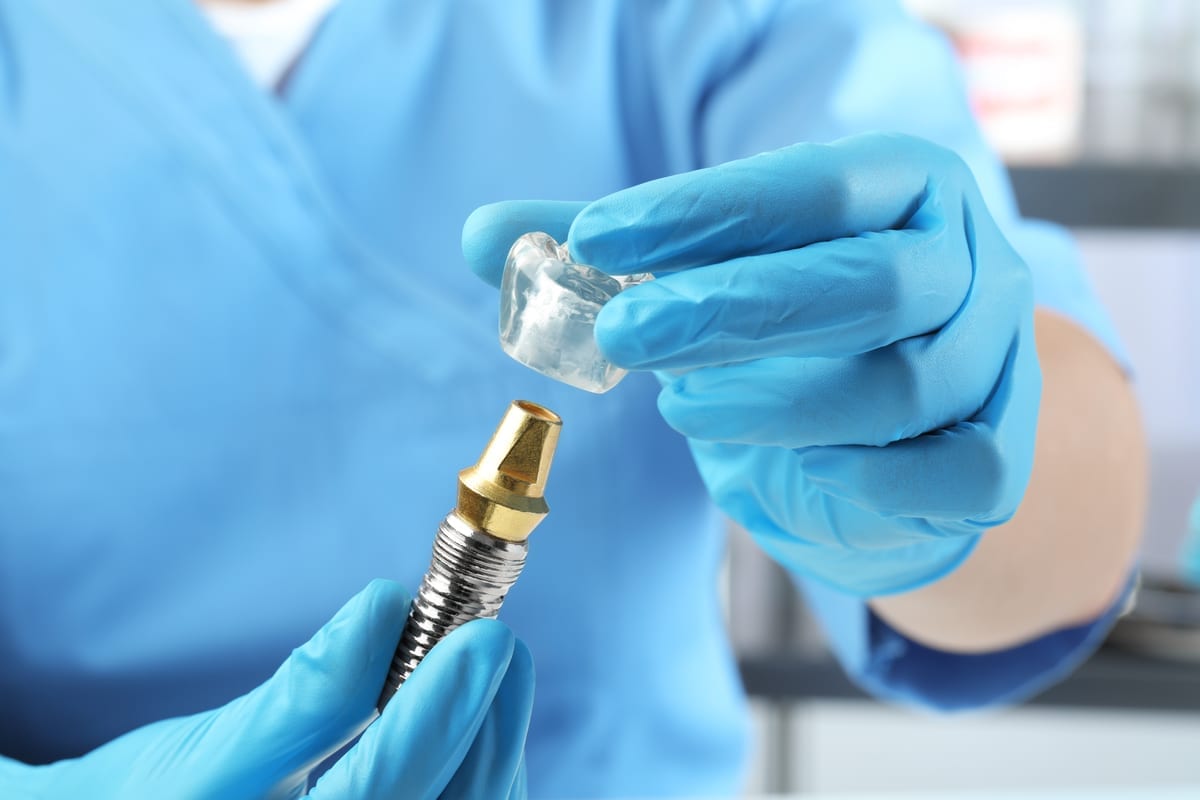
Dental implants are the only tooth replacement that addresses bone loss directly. The titanium post fuses with your jawbone through a process called osseointegration. This mechanical bond stimulates the bone just like a natural root would. No other restoration can duplicate that.
For patients who also want to improve the appearance of surrounding teeth, options like Dental Veneers can complement the overall smile makeover. Implants restore function while veneers address cosmetic refinement. Together, they create a complete, natural-looking result.
Benefits of dental implants over other options include:
- Prevents ongoing jawbone shrinkage and facial collapse
- Restores full biting and chewing strength
- Does not require altering adjacent healthy teeth
- Designed to last decades with proper care
- Feels and functions like a natural tooth
Don’t Wait Until Your Options Are Limited
The signs above aren’t meant to scare you — they’re meant to inform you. Bone loss is progressive, but it’s also predictable. Acting before your jaw changes significantly keeps your treatment simpler and your results better. Bedford patients have access to comprehensive implant care right here at home.
Dr. Maegan Elam and her team evaluate each patient’s bone density, gum health, and bite alignment before recommending a treatment plan. Every case is different. What matters most is starting the conversation before more time passes. Book Now to schedule your appointment with our team.
Frequently Asked Questions
How soon does bone loss start after losing a tooth?
Bone resorption begins within a few weeks of tooth loss. The most significant changes typically occur in the first year. Acting within six to twelve months of losing a tooth often avoids the need for bone grafting before implant placement.
Can I still get implants if I’ve had missing teeth for years?
Yes, implants are still possible in most cases. However, significant bone loss may require a bone graft first. Dr. Maegan Elam will use 3D imaging to assess your current bone volume and determine the right treatment approach for your specific situation.
Are dental implants painful to get?
Most patients report that the procedure is more comfortable than they expected. Local anesthesia is used during placement, and sedation options are available for anxious patients. Post-procedure discomfort is typically manageable and resolves within a few days.
How do I know if I’m a good candidate for implants in Bedford?
Good candidates generally have adequate bone density, healthy gums, and no uncontrolled systemic conditions that affect healing. A comprehensive evaluation at Maegan Elam, DDS and Associates Bedford will determine your eligibility and outline any preparatory steps needed.
How long do dental implants last?
With proper oral hygiene and regular dental visits, implants can last twenty years or more — often a lifetime. The crown portion may need replacement after ten to fifteen years due to normal wear, but the implant post itself is designed for long-term durability.